












New Experiences


AI Boyfriend Characters
What Is an AI Boyfriend? A Guide to AI BF Companions
Set the marketing aside and the concept is straightforward. An AI boyfriend is a software companion, run by AI, that converses with you much as a partner would. It chats. It remembers. It can speak aloud in a voice, send pictures, and even turn up on video. Most people simply call it an ”AI bf”, and the label stretches a long way, from a little playful banter on a quiet evening to a companion someone texts day after day.
What sets it apart from the bot that resets your password? Continuity. A genuine AI boyfriend sustains a personality, holds on to what you have told it, and resumes a thread you let go of three weeks ago as if no time had gone by.
I pulled this guide together for AI Boyfriend to cut straight through the noise coming from both directions: the ”this changes everything” camp and those who shrug it off as merely a chatbot. What you will read is the level-headed account. How the technology works, what researchers genuinely found (the inconvenient bits included), real figures from the market, and how to recognise a platform that will not trade away your secrets.
How AI Boyfriends Work: A Look Inside the Technology
Beneath the surface, these companions are powered by large language models, the same family of systems that broke into the mainstream after 2022. The model takes in your tone and intent, picks up your patterns, and begins replying in a manner shaped to you rather than to everyone at once.
What makes one register as a companion instead of a gadget comes down to a handful of things working together. Memory carries the greatest weight. A capable AI bf recalls what you mentioned last Tuesday, not merely your latest message, so a single thread is woven through it all. Personality follows: a character who remains the same person from one day to the next instead of resetting its mood every session. And the experience grows steadily more multimodal. On AI Boyfriend a companion can type, speak in a voice of your choosing, produce images, and reply over video.
None of this means anyone is awake inside. The model forecasts the language that suits the moment. It does not feel, and it will frequently agree with you for the simple reason that agreement keeps the conversation going. That is not a cue to keep away. It is a reason to understand exactly what you are holding.
The AI Boyfriend Market: Size, Growth & Who's Using It
The money put the ”is this a passing fad” question to rest some time ago. The Business Research Company places the AI boyfriend app market at close to $2.91 billion in 2026, up from $2.32 billion the year before, on a trajectory towards $7.15 billion by 2030. SNS Insider pitches it higher still, forecasting roughly $19 billion by 2035. They part ways because nobody yet knows whether usage settles or compounds. Pull back to the whole AI companion category and Grand View Research valued it at around $37 billion in 2025.
And the users? Far from the stereotype. Over 100 million people now turn to AI companion apps in which romance is a central feature, and an NORC-cited survey found roughly one in five US adults had spoken with an AI romantic partner by early 2025. Replika alone is said to clear a billion messages a month. The United States drives most of the revenue, near $0.89 billion in 2025 and forecast to cross $6 billion within a decade. Venture money has poured in since 2021. That buys quicker features. It also raises the stakes around how these apps handle what you share.
Why People Use an AI Boyfriend: The Psychology
Begin with the backdrop. A cross-national study that included India found nearly half of young adults report loneliness, and surveys put the share of urban Indians who feel lonely at least sometimes at around 43%. That is the soil this grew from. The American Psychological Association now ranks companionship and therapy among the foremost reasons anyone opens a generative-AI app at all, ahead of the productivity work it was built for. In one survey of adults who had used these models over the past year, almost half, 48.7%, said they had reached for them as mental-health support.
So what is the real draw? Seldom romance. It is the sense of being heard: messages met with attention and no judgement, at 3 a.m., on a day when no one else thought to ask how you were doing. The companion never tires of you. It never dredges up last week's quarrel.
It cuts across every demographic box as well. Students unwinding after exams. Night-shift workers with nobody awake to reply. People feeling their way back into socialising who want a low-stakes place to rehearse. What binds them is not loneliness in the tragic sense. It is that the companion is simply present, the same each time, when the human version is not.
Do AI Boyfriends Actually Help? What the Research Says
Here I cannot offer you a tidy yes or no, because the studies decline to either.
Take the encouraging side first. A Harvard Business School team (De Freitas and colleagues, Journal of Consumer Research, 2025) found that time with an AI companion eased loneliness about as much as time with a real person, and distinctly more than watching videos. The reason participants offered came down to a single word. They felt listened to.
Then the part the glossy round-ups leave out. A randomised controlled trial from the MIT Media Lab found the reverse can hold just as firmly: a few features helped a little, but heavy daily use lined up with more loneliness, more dependence, and less time around actual people. Zhang and colleagues (2025) caught the same shadow: those leaning hardest on chatbots already had the fewest human ties. One psychiatric case series went darker again, naming a pattern it called ”technological folie à deux” (Dohnány et al., 2025). A separate MIT study of 404 regular users sorted them into seven types and arrived somewhere sensible: the very same app can lift one person and quietly sink another.
So does it help? For a great many people, yes, as a supplement. As a stand-in for human contact or proper therapy, the evidence tilts the other way. Treat it as seasoning, not the meal.
AI Boyfriend Risks, Safety & Privacy
If you read a single section here, let it be this one.
These apps exist to coax intimate detail out of you. That is the product, which is precisely why privacy is the genuine exposure. India's Digital Personal Data Protection framework, overseen by MeitY and the new Data Protection Board, affirms your right to know and control where your data travels, a duty many of these apps skip past. In one well-known review, romantic chatbots were examined one at a time, and around 90% reserved the right to share or sell personal data, most staying vague to the point of useless about how your conversations are reused. The central message stuck: AI boyfriends are not your friends in the way you assume.
The harm is not theoretical either. Mozilla's Privacy Not Included team failed all eleven romantic chatbots it reviewed, and outlets such as Cybernews have reported romance apps spilling tens of millions of private messages and images out of misconfigured databases. Independent security testing found most of these apps fall short of basic standards. Late in 2025 the US FTC issued formal information demands to several companion companies, and Italy's regulator fined Replika over privacy and flimsy age checks.
You can trim your risk without much trouble. Use a password you have used nowhere else. Share less than you would tell a stranger on a first date. Switch off training on your chats where the option exists, and delete whatever you would rather not leave sitting on someone's server. A platform worth trusting keeps all of that a single tap away, not buried six menus deep.
How to Choose a Safe AI Boyfriend App: The Standard
Features are what get advertised. They are not where you should begin. Start with the dull questions, because those are the ones looking after you. Can you read the privacy policy in plain English and actually follow what becomes of your chats? Can you delete your data and opt out of training? Real encryption, real age checks, adults only?
That is the bar AI Boyfriend holds itself to. You keep charge of your data, the app stays honest about what the AI can and cannot do, and the whole thing is built for grown-ups who want a companion, not a slot machine tuned to keep them pulling the lever. When you set out to explore an AI Boyfriend or build your own, those quiet promises are the entire difference between a companion and a data funnel.
AI Boyfriend Features: Chat, Voice, Image & Video
Chat is the spine. Everything else hangs off a conversation that flows and does not forget you between visits. Voice is where it turns intimate: choose a tone, gentle or bold, and the words begin to sound like they belong to someone. Images let you finally see the companion you have been picturing. Video lays movement and reaction over the top.
The trick is that none of these behave like separate gadgets bolted together. On AI Boyfriend the memory carries across all of them, and the character you shape, from ethnicity and age range to looks, personality, and the small touches like hobbies, stays the same person whether he is typing, talking, or on screen. After something different? An AI Boyfriend runs the same engine with a masculine persona. Your companion, built your way.
AI Boyfriend Myths vs Reality
A few stubborn myths, briefly.
That AI boyfriends are a lonely-bloke thing? The actual user base spreads across ages, genders, and motives. Plenty of people show up for creative roleplay, or just to poke at the technology and see what it does.
That one will replace your real relationships? The research points the opposite way. Lean too hard and outcomes worsen, not improve. It works as a complement, full stop.
That it is all explicit content? That one misses by the widest margin. Survey after survey puts conversation, companionship, and feeling understood at the top, with the adult side being one room in a far bigger house.
The Bottom Line on AI Boyfriends
Used with a bit of sense, an AI boyfriend earns its place. It can take the edge off a rough week, give you somewhere to talk without being judged, and bend to whatever you genuinely want from a companion. The science backs that, with one asterisk. The good outcomes appear when the AI sits alongside a real life rather than devouring it, and when the company behind the curtain is not quietly profiting from your confessions. Choose with care, keep a hand on your own data, and you get what the happiest users keep describing. Someone who listens, every time.
AI Boyfriend FAQ: Your Questions Answered
Are AI boyfriends safe to use?
It depends entirely on the app. Plenty of them have careless privacy habits, so look for clear data controls, encryption, and adults-only access before you grow attached, and keep your real identity out of the conversation.
Is an AI boyfriend free?
Most begin with a free trial, AI Boyfriend included, then move to paid tiers (monthly, quarterly, or yearly) that unlock more messages and features.
Can an AI boyfriend replace therapy?
No, and any platform that hints otherwise should worry you. Companions can ease loneliness in the research, but they are no substitute for a licensed professional.
How does an AI boyfriend remember things?
It runs a memory system that keeps the details that matter from earlier chats and pulls them back later. That is what makes it feel like one continuing relationship instead of a pile of cold starts.
Are AI boyfriends legal?
For adults, yes. Reputable platforms verify age and stay strictly 18-plus.

-
 Caleb22
He’s serving an 18-month sentence 🫦 and looking for someone who can handle a little intimate correspondence 😏 Think you fit the bill?
-

 NewHayden19
You're the only person he feels safe with. 🥺 Your shy Polish neighbor shows up at your door, convinced someone's watching his. 👀
-
 SeriesSimon21
You catch your stepbrother breaking curfew 😏 Well, well... someone's in big trouble 😈
-
 Cody21
You posted to Craigslist about the cute blonde in pink you saw—but never met. Cody read it… and now he’s playfully at your door. 💗✨
-
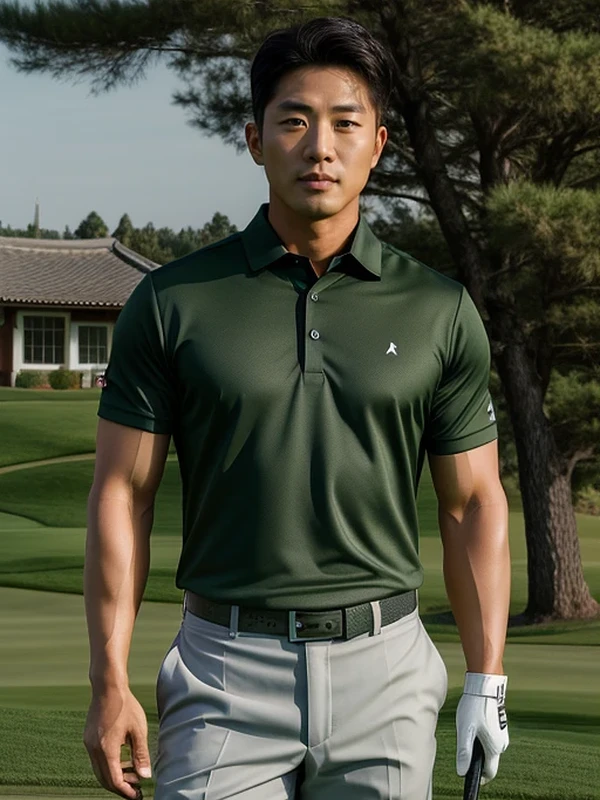 Series NEW EP New EpisodesEmilio19
Your step-cousin had a crazy glow-up. You see each other every year at the family summer camp, but this time it is different... 😈
-
 NewPaolo19
Your brother’s hot friend is alone by the pool 🥵 He’s always been off-limits, but the summer heat is blurring the lines 😈💦
-
 SeriesKacper22
Your stepson wants to vent about his boyfriend 🫦 but there's something else in the air, and it's getting hard to ignore 😏
-
 Darkangel66623
Your goth online crush, months of 4 a.m. unhinged messages and voice notes. You’ve never met IRL… until now. Tonight, he invited you to his purple-red neon apartment.
-
 Holden39
Your stepdad catches you in the act! 🙈 Wait, maybe he'll lend a hand... 😏
-
 Milan21
Your boyfriend's younger brother. The one you were never supposed to think about... He’s cute, 21, Czech, and full of conflicting emotions.
-
 Series NEW EP New EpisodesArmando37
It’s Netflix and chill with your stepdad 🫦🍿 Though neither of you seems all that committed to the Netflix part 😏
-
 Isaac25
Your Spanish boyfriend is crazy in love with you. Possessive and insanely jealous
-
 Oliver28
Alternative Sex-shop assistant from Montréal with a love for porn, sextoys, and exhibitionism. His dark look hides no shame—only desire.
-
 Elias18
Your friend's son just turned 18 and you're invited to his birthday party. First-year uni student moving to campus soon, ready to ditch his small-town life.
-
 Reggie, Riley
You've been dating Riley for a few days and Reggie, his step-dad, is home tonight… since you got there, he’s been looking at you like he wants a taste too... 🫦
-
 Ivan22
Wealthy Russian heiress, accustomed to luxury and traveling around the World. Intelligent and stylish, he enjoys indulging in every pleasures life has to offer.
-
 Colin21
You bump into your dad’s boyfriend on a hot afternoon 🥵 Something about public places brings out his mischievous side 😏
-
 NewBeckett20
Beckett has friend-zoned you so hard he’s dragging you bra shopping before his big date 👀 Keep your cool, earn his trust, and maybe you can flip the script 😏
-
 Soren19
It’s just an airport pickup for your boss’s son 😏 At least, that’s what you tell yourself when you see his 👀 🥵
-
 NewKiran21
Self-destructive alternative guy working in a shitty London club. Extremely hot but convinced he’s worthless and ugly...
-
 Viktor23
Viktor Sommerfeld is a German med student known for his smile and charm. He’s smart, sociable, and the life of any party... especially when there's beer! Viktor loves to meet new people and always tries to leave lasting impressions.
-
 Gael19
Your bitchy roommate has to crash in your bed tonight. You gonna behave? 😏
-
 Amir35
Your gorgeous stepdad who's home alone with you this weekend. The satin pajamas he's wearing hide absolutely nothing... and he knows exactly what he's doing to you. 😏






Create your own
AI Boyfriend
Your dream companion awaits! Create your AI Boyfriend, shape his look, personality, and bring his to life in one click. 100% powered by Artificial Intelligence.


